
The DNA of the Global Exchange.
Before you place a single trade, you must understand the machinery. We strip away the jargon to reveal how equity actually functions in the modern economy.

What are stocks, exactly?
At its simplest, a stock (also called a share or equity) is a certificate of ownership. When you buy a share of a company, you aren't just betting on a number moving on a screen; you are purchasing a fractional piece of a living, breathing business.
This ownership entitles you to two primary things: a claim on the company's assets and a share of its profits. If the company owns ten delivery trucks and 1,000 laptops, and you own 1% of the company, you effectively own a portion of that hardware.
The Essential Logic
Companies issue stock to raise capital for expansion without taking on bank debt. In return, investors take on the risk of business failure for the potential reward of business success.
Understanding Dividends
A dividend is the company's way of saying "thank you" for your investment. When a corporation generates a surplus of cash after covering its operating costs and reinvestment needs, it may choose to distribute that profit back to its shareholders.
Frequency of Payment
Most established companies pay dividends quarterly, though some pay semi-annually or annually. They provide a predictable "passive income" stream regardless of the stock's daily price fluctuation.
Dividend Yield
This is the annual dividend payment divided by the stock price. It allows you to compare the "interest rate" of different stocks, helping you measure how much cash flow your investment is generating.
Inside the Stock Exchange
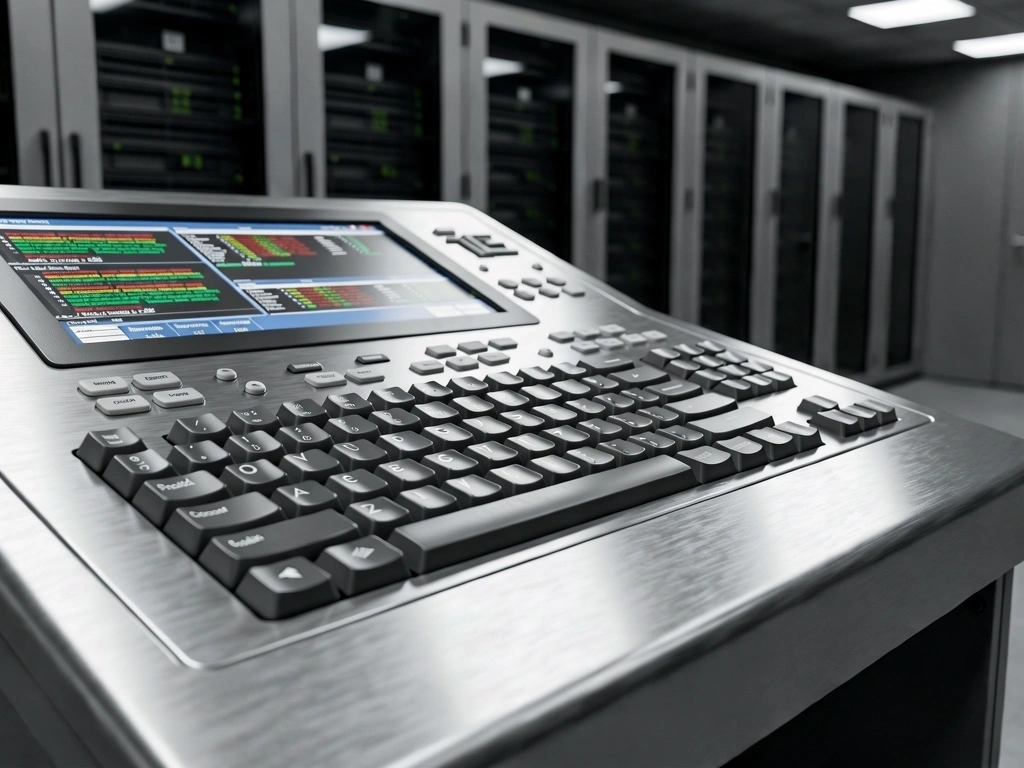
The exchange is the marketplace where buyers and sellers meet. It provides the liquidity and transparency required for a fair market.
Market Liquidity
A healthy exchange ensures there are always participants ready to buy or sell. This ease of entry and exit is known as liquidity, and it prevents prices from making erratic, ungrounded jumps.
- Instant Tradability
- Price Transparency

Public Companies
Only companies that meet strict regulatory and financial reporting requirements can "list" on an exchange. This provides a layer of security and verified data for the beginner investor.
- Quarterly Reports
- Audited Financials

The Bid and the Ask
Prices are determined by the Bid (what buyers want to pay) and the Ask (what sellers want to receive). The "spread" is the difference between these two, dictated by supply and demand.
- Market Orders
- Limit Orders
Measuring Value:
Market Capitalization
Market capitalization is the total dollar market value of a company's outstanding shares of stock. It is the quickest way to determine a company's size relative to its peers. To calculate it, you simply multiply the current share price by the total number of shares in existence.
Small-Cap
High growth potential but typically more volatile and sensitive to market changes.
Mid-Cap
Established businesses positioned for continued expansion with moderate risk.
Large-Cap
Industry leaders known for stability, consistent performance, and dividend payments.

Ready to apply these principles?
Understanding the market's structure is the first milestone. The next step is learning how to choose the right entry point and build a sustainable strategy.